

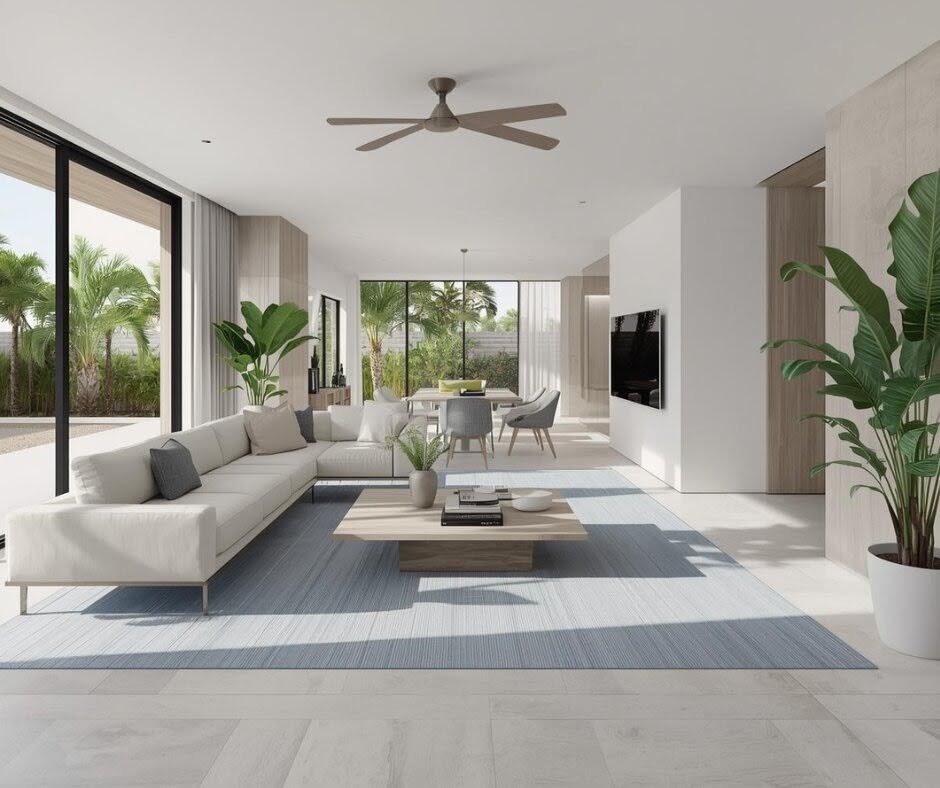
Choosing tile flooring for a coastal home involves more than selecting the right color or pattern. In communities like Destin, Miramar Beach, Fort Walton Beach, Santa Rosa Beach, and Alys Beach, your floors need to handle moisture, sand, heavy foot traffic, and daily living. One often-overlooked decision is whether to choose textured porcelain tile or smooth tile.
At Creative Flooring of Destin, we help homeowners select flooring that not only looks beautiful but also performs well in real coastal conditions. While both textured and smooth porcelain tile offer excellent durability, each has advantages that may make it more suitable for certain spaces and lifestyles.
Why Surface Texture Matters in Coastal Homes
Coastal homes face challenges that inland properties rarely encounter.
Common conditions include:
Wet feet from the beach or pool
Humidity throughout the year
Sand tracked indoors
Frequent entertaining and guest traffic
Regular floor cleaning
The texture of your tile affects not only its appearance but also its safety, maintenance requirements, and everyday usability.
What Is Textured Porcelain Tile?
Textured porcelain tile features a surface designed to create more grip underfoot.
Modern textured tile can mimic:
Natural stone
Weathered wood
Slate
Concrete
Coastal-inspired materials
The added texture helps create traction while still maintaining an upscale appearance.
Many homeowners choose textured tile because it combines the durability of porcelain with enhanced practicality for active households.
You can explore a variety of tile flooring options that include both textured and smooth surface styles.
What Is Smooth Tile?
Smooth tile features a flatter surface profile with little to no texture.
Depending on the finish, smooth tile may be:
Matte
Satin
Polished
Semi-polished
Smooth tile is popular because of its clean, contemporary appearance and easy-to-clean surface.
It is commonly used throughout luxury homes where a sleek aesthetic is desired.
Which Option Offers Better Slip Resistance?
One of the biggest differences between textured and smooth tile is traction.
Advantages of Textured Tile
Textured porcelain often provides:
Improved grip when wet
Better traction near entryways
Added stability around pool access points
Increased confidence in high-moisture areas
For homes where wet feet frequently move indoors, textured tile can provide an added layer of safety.
Advantages of Smooth Tile
Smooth tile can still perform well in many residential settings, particularly when matte finishes are selected.
However, highly polished surfaces may become more slippery when moisture is present.
This is one reason many coastal homeowners reserve polished finishes for lower-moisture spaces.
Which Is Easier to Clean?
Many homeowners assume smooth tile is automatically easier to maintain.
The reality is a little more nuanced.
Smooth Tile Maintenance
Smooth tile offers:
Quick sweeping and mopping
Easy removal of surface debris
Simple daily maintenance
Because dirt stays primarily on the surface, cleanup is generally straightforward.
Textured Tile Maintenance
Textured tile can:
Hold small amounts of dirt within surface variations
Require slightly more thorough mopping
Benefit from routine cleaning in high-traffic spaces
However, modern textured porcelain is often much easier to maintain than many homeowners expect.
Regular sweeping prevents sand and debris from accumulating on either type of flooring.
How Sand Impacts Both Flooring Types
Florida sand is one of the biggest challenges in coastal homes.
Whether you live near the beach or own a vacation property, sand regularly finds its way indoors.
Textured tile can help:
Reduce slipping on sandy surfaces
Conceal minor debris between cleanings
Hide small amounts of tracked-in sand
Smooth tile can make debris easier to spot and remove, but some homeowners feel it highlights dirt more quickly.
The best choice often depends on your cleaning preferences and how heavily the area is used.
Best Applications for Textured Tile
Textured porcelain is often recommended for:
Entryways
These spaces experience heavy traffic and frequent moisture exposure.
Mudrooms
Sand, shoes, and outdoor gear make traction particularly valuable.
Pool-Adjacent Areas
Textured surfaces help support safer movement when floors become wet.
Bathrooms
Additional grip can provide peace of mind for family members and guests.
Many homeowners prioritize textured tile in practical spaces where safety is especially important.
Best Applications for Smooth Tile
Smooth tile works well in:
Living Rooms
The clean appearance complements open coastal floor plans.
Dining Areas
Smooth surfaces provide an elegant and contemporary look.
Bedrooms
Lower moisture exposure makes smooth finishes a practical choice.
Formal Spaces
Many luxury homeowners appreciate the refined visual appeal of smooth porcelain.
Design Considerations
Both textured and smooth porcelain tile are available in a wide range of styles.
Popular coastal choices include:
Light stone-inspired finishes
Soft beige tones
Sandy neutrals
Wood-look porcelain
Large-format tile designs
Homeowners seeking additional design elements sometimes incorporate glass tile accents or metal tile accents to create visual interest in kitchens, bathrooms, and feature areas.
Durability Comparison
When comparing quality porcelain products, durability is similar regardless of surface texture.
Both options provide:
Excellent moisture resistance
Long-lasting performance
Resistance to wear
Strong suitability for coastal environments
The decision typically comes down to lifestyle rather than durability.
If safety and traction are top priorities, textured tile often has an advantage.
If easy daily cleaning and a sleek appearance are most important, smooth tile may be preferable.
Which Is Easier to Live With?
For many coastal homeowners, textured porcelain tile offers the best balance of safety and everyday practicality in areas exposed to moisture and heavy traffic.
Smooth tile remains an excellent choice for living spaces where a refined aesthetic and simplified maintenance are priorities.
Ultimately, the easiest flooring to live with is the one that aligns with how your home is used every day.
Find the Right Tile for Your Coastal Home
Choosing between textured porcelain tile and smooth tile is easier when you can compare samples in person and see how they work within your space.
You can schedule a shop-at-home flooring consultation to review tile options in your home. You can also request a free flooring estimate for personalized recommendations or visit our showroom to explore tile flooring solutions designed specifically for coastal Florida living.


